
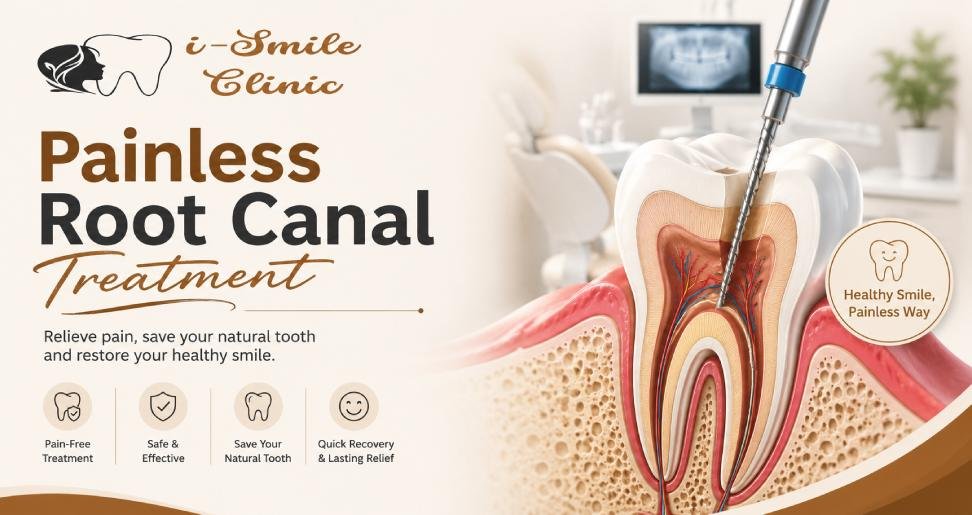
A painless root canal treatment is a modern dental procedure designed to remove infected or damaged pulp from inside a tooth while ensuring maximum patient comfort through advanced anesthesia, rotary instruments, and modern dental technology. Contrary to common myths, root canal treatment today is generally no more uncomfortable than getting a dental filling. It helps save your natural tooth, eliminates pain caused by infection, and restores normal chewing function. Seeking timely treatment from an experienced dental professional can prevent complications and preserve long-term oral health.
What Is a Painless Root Canal Treatment?
Root canal treatment (RCT) is a dental procedure performed to save a tooth that has become infected, severely decayed, or damaged. Inside every tooth is a soft tissue called the pulp, which contains nerves and blood vessels. When this pulp becomes infected, it can cause severe pain, swelling, and sensitivity.
A painless root canal treatment uses advanced techniques and effective local anesthesia to ensure that patients experience minimal discomfort during the procedure. Modern dentistry has transformed root canal therapy into a highly predictable and comfortable treatment.
Why Do You Need a Root Canal Treatment?
Your dentist may recommend a root canal if you experience:
- Persistent toothache
- Sensitivity to hot or cold foods
- Swollen or tender gums
- Tooth discoloration
- Pain while chewing
- Dental abscess or infection
Ignoring these symptoms can allow the infection to spread, potentially leading to tooth loss and more extensive dental treatments.
Is Root Canal Treatment Really Painless?
One of the biggest misconceptions in dentistry is that root canal treatment is painful. In reality, the infection inside the tooth causes the pain—not the treatment itself.
Modern dental clinics use:
- Advanced local anesthesia
- Digital diagnostics
- Rotary endodontic instruments
- Precision cleaning techniques
- Improved infection control methods
These advancements make the procedure significantly more comfortable than in the past. Most patients report feeling relief immediately after treatment because the source of infection has been removed.
How Does a Painless Root Canal Treatment Work?
1. Diagnosis and Examination
The dentist examines the affected tooth and may take digital X-rays to determine the extent of infection. Accurate diagnosis helps create an effective treatment plan.
2. Local Anesthesia
The treatment area is thoroughly numbed using local anesthesia. This ensures that patients remain comfortable throughout the procedure.
3. Access Opening
A small opening is made in the tooth to reach the infected pulp chamber.
4. Removal of Infected Tissue
The infected or damaged pulp is carefully removed using specialized instruments.
5. Cleaning and Shaping
The root canals are cleaned, disinfected, and shaped to prepare them for filling.
6. Filling the Root Canal
The cleaned canals are sealed with a biocompatible material to prevent reinfection.
7. Restoration
A dental crown or filling is placed to restore the tooth’s strength, appearance, and functionality.
Benefits of Painless Root Canal Treatment
Preserves Your Natural Tooth
Saving your natural tooth is always preferable to extraction. Root canal treatment helps maintain your natural bite and smile.
Eliminates Infection
The procedure removes bacteria and infected tissue, preventing the spread of infection.
Restores Function
Patients can chew, speak, and smile comfortably after treatment.
Prevents Tooth Loss
Timely intervention helps avoid the need for extraction and tooth replacement options.
Improves Oral Health
Treating infection early contributes to better overall dental health and reduces future complications.
Signs That You May Need a Root Canal
Not every infected tooth causes immediate pain. Watch for these warning signs:
- Lingering sensitivity to hot or cold temperatures
- Severe tooth pain
- Swelling around the gums
- Pimple-like bump on the gums
- Deep tooth decay
- Cracked or chipped tooth
- Bad taste in the mouth due to infection
If you notice any of these symptoms, consult a dental professional promptly.
How Long Does a Root Canal Treatment Take?
The duration of treatment depends on the complexity of the case.
Generally:
- Simple cases: 30–60 minutes
- Moderate cases: 60–90 minutes
- Complex infections: Multiple visits may be required
With modern dental technology, many root canal treatments can be completed efficiently while maintaining patient comfort.
Recovery After a Painless Root Canal Treatment
Recovery is usually smooth and uncomplicated.
Aftercare Tips
- Take prescribed medications as directed.
- Avoid chewing hard foods on the treated side initially.
- Maintain good oral hygiene.
- Attend follow-up appointments.
- Get the recommended crown placed if advised.
Most patients can return to their normal activities on the same day or the following day.
Common Myths About Root Canal Treatment
Myth 1: Root Canal Treatment Is Extremely Painful
Fact: Modern anesthesia and advanced techniques make the procedure comfortable for most patients.
Myth 2: Tooth Extraction Is Better
Fact: Preserving your natural tooth is often the best long-term solution for oral health.
Myth 3: Root Canal Treatment Causes Illness
Fact: Scientific research has found no evidence that properly performed root canal treatment causes systemic diseases.
Myth 4: The Treatment Takes Many Visits
Fact: Many cases can be completed in one or two appointments depending on the condition of the tooth.
How to Prevent the Need for Root Canal Treatment
While root canals are highly effective, prevention is always better.
Follow these habits:
- Brush twice daily with fluoride toothpaste.
- Floss regularly.
- Limit sugary foods and drinks.
- Schedule routine dental checkups.
- Wear a mouthguard during sports.
- Address cavities early before they reach the tooth pulp.
Good oral hygiene significantly reduces the risk of severe dental infections.
The Importance of Education in Healthcare
Just as preventive dental care helps individuals maintain oral health, quality education plays a vital role in building a healthier society. Healthcare professionals, including nurses, contribute significantly to patient awareness and disease prevention.
Frequently Asked Questions (FAQs) :-
Ans :- Yes. It is a safe and commonly performed procedure that helps save infected teeth and restore oral health.
Ans :- Modern anesthesia ensures that most patients experience little to no pain during the procedure.
Ans :- Yes, but it is advisable to wait until the numbness wears off and avoid hard foods initially.
Ans :- Root canal treatment has a high success rate when performed properly and followed by appropriate restoration.
Ans :- With proper care, a root canal-treated tooth can last for many years, often a lifetime.
Conclusion
A painless root canal treatment is a modern, effective solution for saving infected or damaged teeth without the fear traditionally associated with dental procedures. Thanks to advanced technology, improved anesthesia, and refined treatment techniques, root canal therapy today is comfortable, safe, and highly successful. If you experience persistent tooth pain, sensitivity, or signs of infection, seeking prompt dental care can help preserve your natural tooth and protect your overall oral health. Early diagnosis, proper treatment, and good oral hygiene remain the keys to maintaining a healthy and confident smile.